Compact cabin
In a small space the heat has nowhere to go. The machine has to move its own air, or the space has to do it.
How the machine is configured against this condition
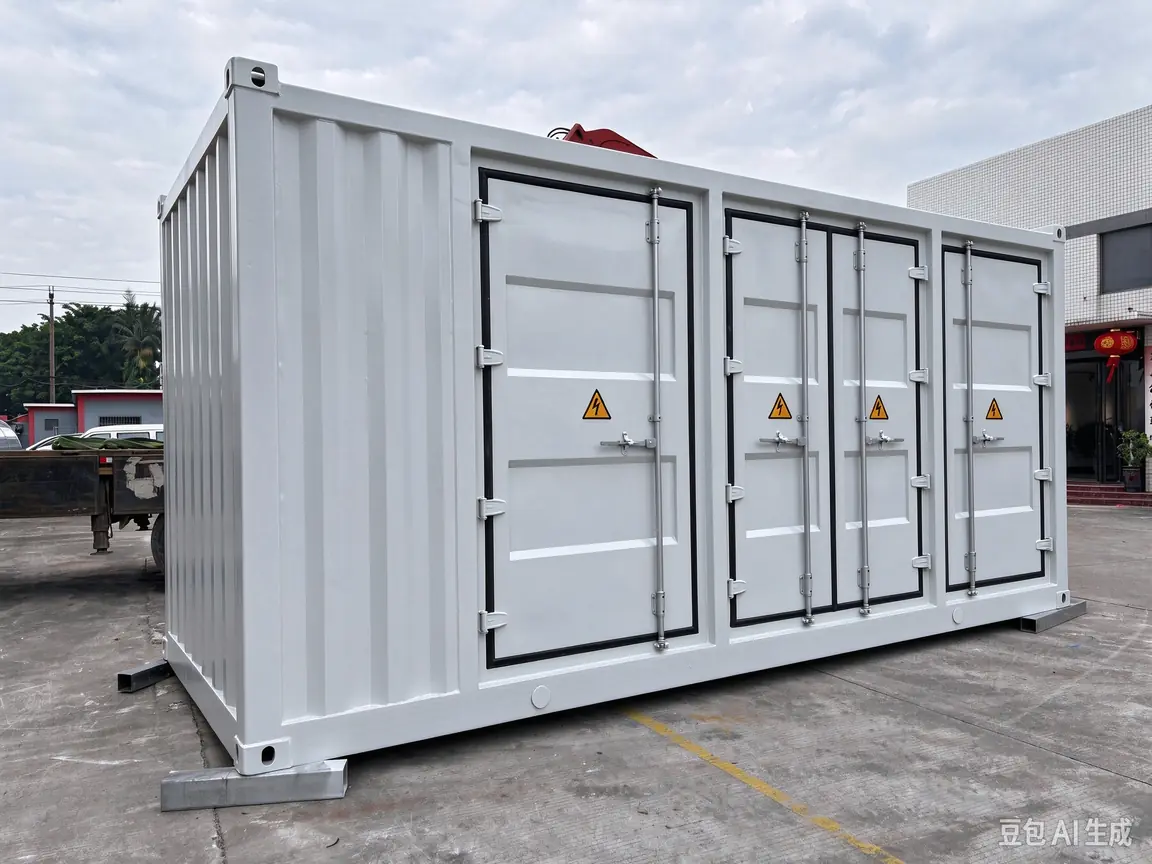
| English name | Compact Cabin and Enclosed Space Cooling |
|---|---|
| Core problem | Machinery rooms and shelters are small and poorly ventilated, so heat collects, the temperature rise inside the machine goes over its limit and a long run risks an overheat shutdown. |
| Solution | The structure is made compact and the internal cooling path is optimised, and where it is needed an independent intake and hot-air discharge or forced cooling is fitted, so the machine keeps a normal temperature rise in a restricted space. |
| Typical applications | Ship engine rooms, containerised shelters, container power plants, underground plant rooms and trailer unit bodies. |
| Selection points |
|