Heavy impact load
A crusher or a winch asks a machine for several times its running current in the first second. The alternator has to take that step without tripping, and settle quickly afterwards.
How the machine is configured against this condition
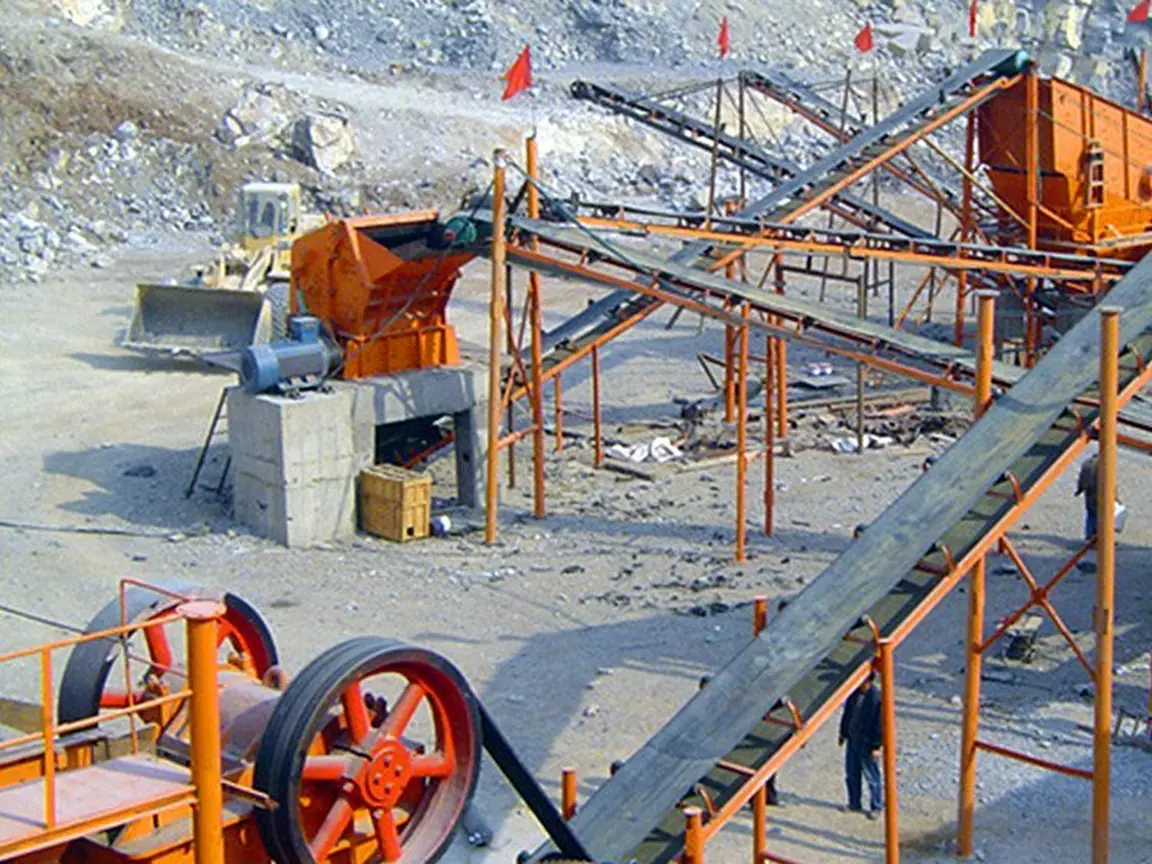
| English name | Heavy Impact Load Power Supply |
|---|---|
| Core problem | Crushers, winches and large motors draw a starting current several times their running current. That pulls the voltage down, trips the set and leaves the load unstable, and production stops with it. |
| Solution | Windings with an optimised electrical scheme and a strong excitation system raise the machine's ability to take an impact load. Short-circuit withstand and excitation response are both increased, so the momentary voltage drop stays inside the permitted range, the set does not trip when the impact load is applied, and the voltage recovers quickly afterwards. |
| Typical applications | Crushing lines, quarries and aggregate plants; hydraulic winches, cranes and towing equipment on work vessels; factories where large motors start and stop repeatedly. |
| Selection points |
|
Where to go next
Specialist power: four needs beyond the grid
Impact duty is one of the four needs we treat separately.