High altitude
Thin air cools a machine less well. At altitude the output falls unless the rating is corrected, and the machine has to be built for the condition.
How the machine is configured against this condition
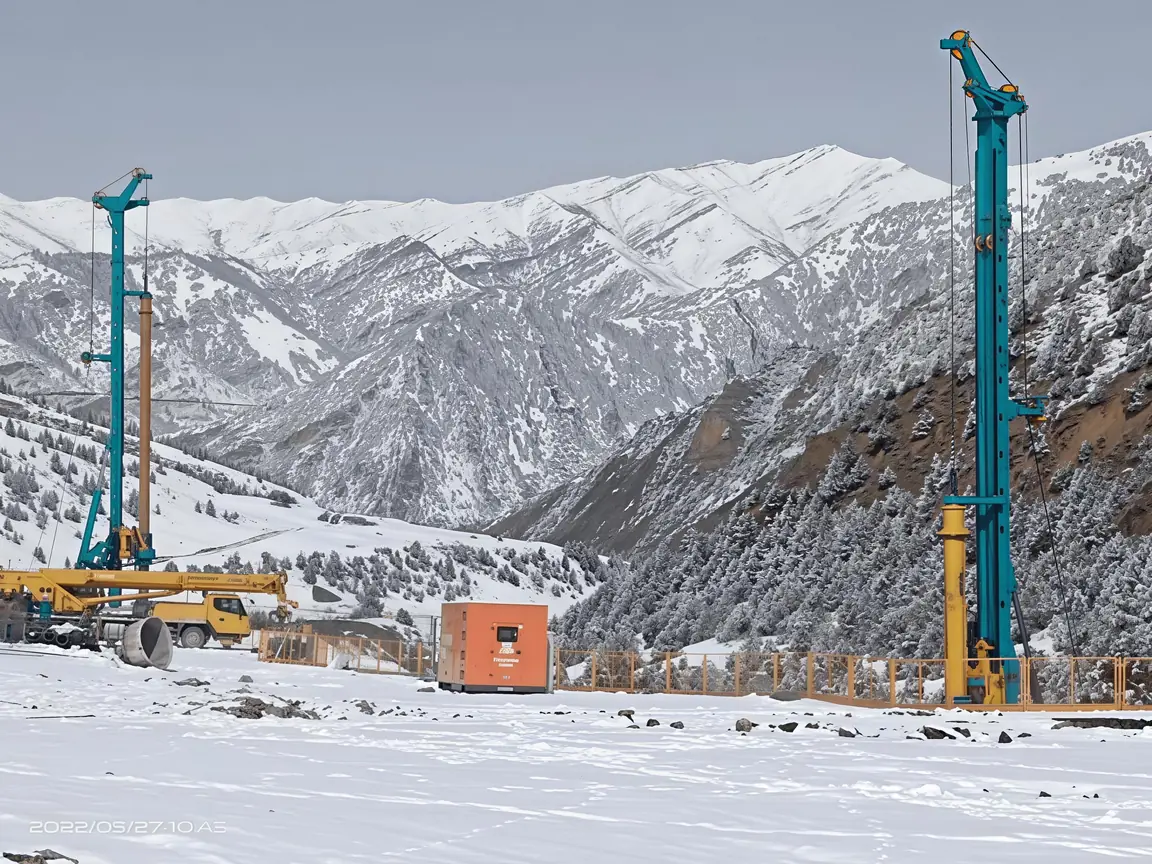
| English name | High Altitude Plateau |
|---|---|
| Core problem | As the altitude rises the air thins, cooling becomes weaker and a machine that is standard on the ground loses power, so the output available on site does not reach what the project was designed for. |
| Solution | Electrical margin is reserved and the machine is compensated for altitude, the insulation structure is reinforced, and the model is matched again against the derating rule for the altitude, so the effective output on site meets the load. |
| Typical applications | Communication sites, mines, camp power stations and off-grid projects in highland areas, such as the Andes in South America and the highlands of East Africa. |
| Selection points |
|