Extreme temperatures
The same machine behaves differently in a desert and in a cold region. Temperature decides how much output you can count on and how the machine starts.
How the machine is configured against this condition
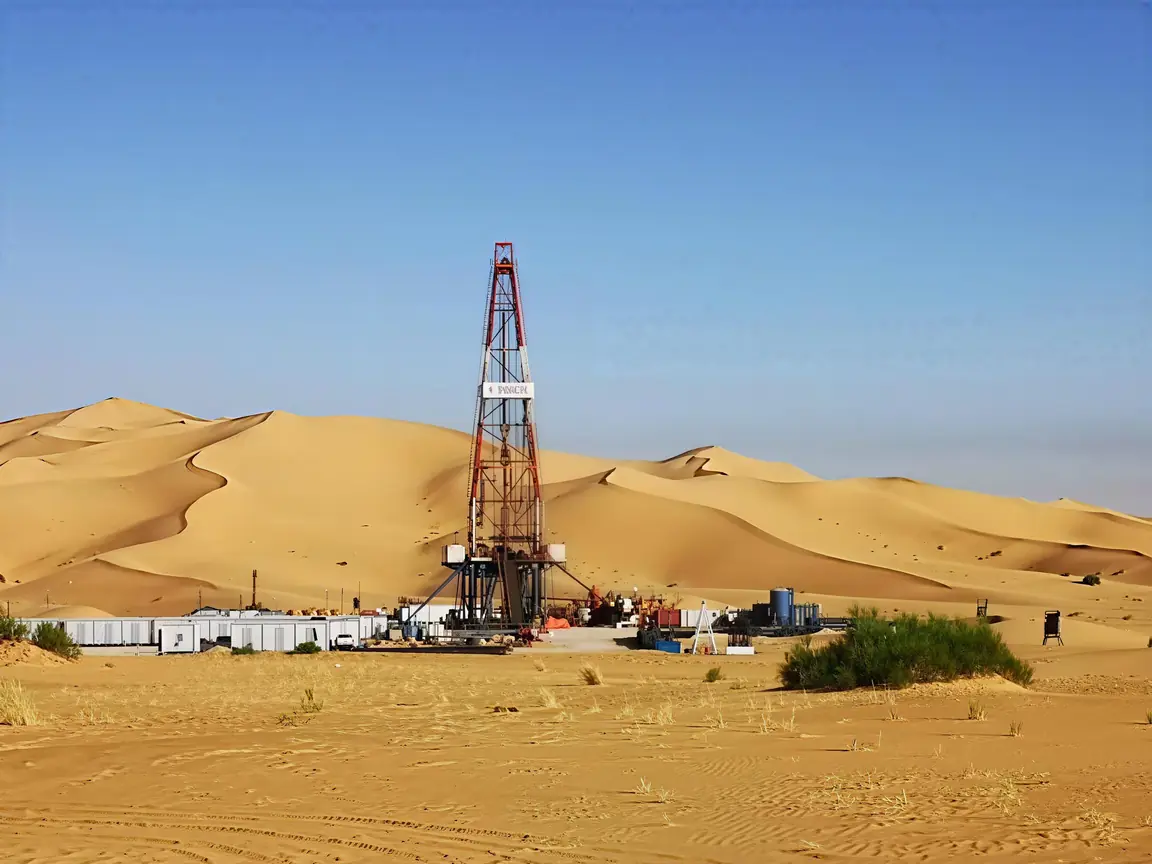
| English name | Extreme High and Low Temperature |
|---|---|
| Core problem | In high ambient temperature the temperature rise goes over its limit and the output falls, while the insulation ages faster. In low temperature the machine struggles to build voltage, the lubricant thickens and the insulation performance drops, so the set struggles to hold its rated output. |
| Solution | The cooling duct and the air path are reworked and insulation for a wide temperature range is selected. Low-temperature sites get a preheat and low-temperature starting arrangement, high-temperature sites get more cooling air for the set, and the machine's own ventilation path is sized for the output that is corrected for the ambient temperature. |
| Typical applications | Hot desert projects in the Middle East and Africa; cold-region projects in Russia, Central Asia, Northern Europe and North America; outdoor container plants and sites with a large day-and-night temperature swing. |
| Selection points |
|
Where to go next
The range, and what sits outside it
Temperature margins are a rated question, and it is answered here.
Regional duty conditions: what actually changes
The destination decides the derating and the protection.